
The Original Infinite Banking Playbook: How Legacy Builders Used Life Insurance to Fund Big Ideas
People talk about Infinite Banking like it’s some brand-new strategy. It’s not.
Long before anyone used the words “Infinite Banking,” some of the most iconic builders in American history were using the same playbook in plain English: they stored capital in a place that was safe, liquid, and usable, then they borrowed against it to fund what mattered. That’s the whole concept. Not magic. Not a hack. A system.

Infinite Banking Isn’t an Investment: It’s a System
Most people misunderstand Infinite Banking because they treat it like a product. It isn’t a product you buy and hope works. It’s a process, an operating system for your money.
Investments are where you try to grow capital. A capital system is where you keep control of capital so you can deploy it when opportunity shows up. When properly structured, whole life insurance with cash value can function like a capital warehouse: it creates liquidity, keeps compounding working in the background, and gives you access to funds without needing a bank’s permission.
The Rockefeller Approach: Build a Machine That Outlives You
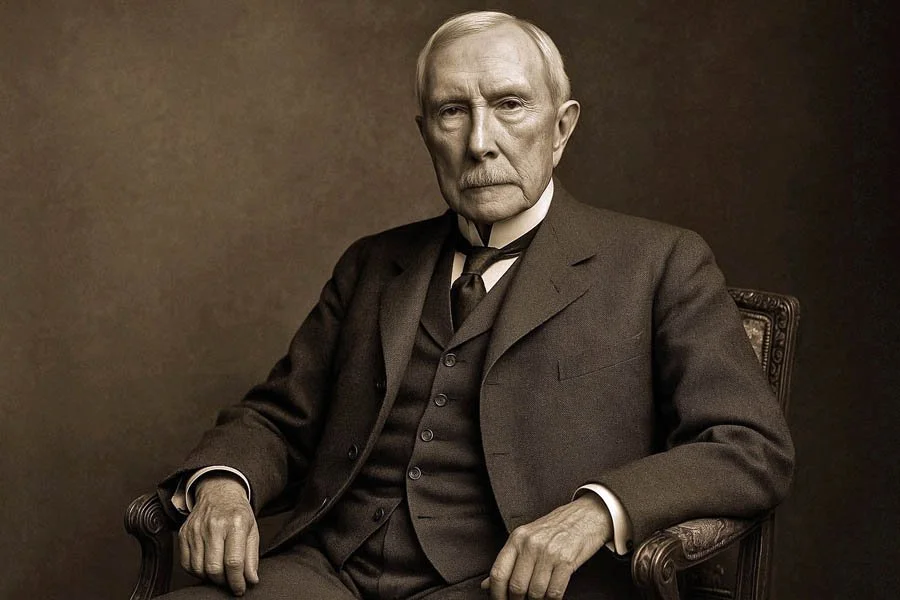
The Rockefellers didn’t just build wealth. They built a framework designed to last.
They were known for thinking in generations, putting systems in place that created liquidity, stability, and optionality long after the original wealth was created. Permanent life insurance, used intentionally across a family system, helped create a pool of capital that could be accessed for future investments, philanthropic goals, emergencies, and long-term legacy planning.
The point wasn’t to chase the highest return. The point was control. When you can access liquidity without disrupting your core assets, you can keep playing offense—even when the world turns uncertain.
Walt Disney: When Banks Didn’t Get the Vision, He Found Another Way

Disneyland was a wild idea at the time. Traditional lenders didn’t love it. Too risky. Too different. Too uncertain.
So Disney did what builders do: he found another capital source. He used the cash value he’d built inside his life insurance as part of the funding that helped bring Disneyland to life.
That’s what most people miss about this concept. The advantage isn’t cheap money. The advantage is available money when timing matters. When you control the capital, you can move while everyone else is still asking for permission.
J.C. Penney: Liquidity Is Oxygen in a Downturn
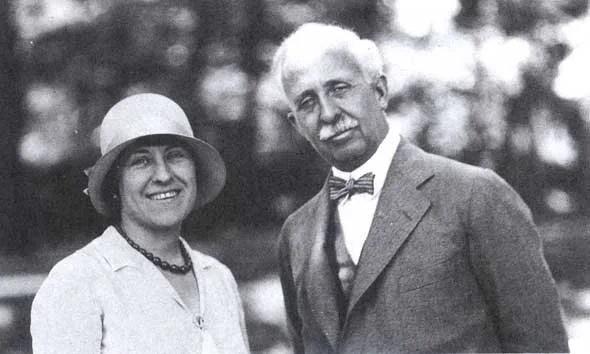
The Great Depression broke a lot of businesses, not because they were “bad businesses,” but because they couldn’t breathe.
Penney faced severe financial pressure and used the cash value in his life insurance to help cover operational needs and keep the company moving forward. This is the unsexy side of wealth strategy that actually matters: when the economy tightens, the question isn’t “Where can I get the best return?” It’s “Where can I get cash without destroying everything I’ve built?”
Liquidity buys time. Time creates options. Options keep you alive.
Ray Kroc: Expansion Requires Capital, and Timing

Turning McDonald’s into a global brand didn’t happen with hype. It happened with relentless execution, and constant capital demand.
Kroc understood what every serious operator learns eventually: growth eats cash. When you’re scaling, you don’t just need money. You need money you can access without delays, approvals, or someone else’s rules. Using cash value as a financing tool can keep momentum moving forward, and momentum compounds.
The Vanderbilt Warning: Big Wealth With No System Doesn’t Last

The Vanderbilts are a reminder that a fortune can be huge… and still disappear.
Wealth without structure gets scattered. Without a plan, without a system, and without discipline, even massive wealth eventually gets consumed. It’s not about how much you make. It’s about whether your money has a strategy behind it.
The Takeaway: The Wealthy Build Control, Not Just Returns
All of these stories point to one timeless truth: the wealthy don’t just chase returns. They build systems that give them control.
Infinite Banking is a modern, structured way to do what many legacy builders have done for generations: build a liquid capital reserve, keep compounding working, access funds for opportunities and emergencies, and repay on a plan you control instead of living inside a bank’s rules.

Why This Still Matters Today
Markets swing. Banks tighten. Opportunities don’t wait.
When you have a private pool of capital, you can act fast when the deal is right, stay calm when the market is ugly, avoid forced sales, and fund business growth, real estate, taxes, and life without panic. Because at the end of the day, wealth isn’t just what you own, it’s what you can access and control when it counts.